
You probably know that your family history can influence your hair colour and height. But did you know it can also play a part in your long-term eye health? Being familiar with your family tree can help you know which risks to be aware of.
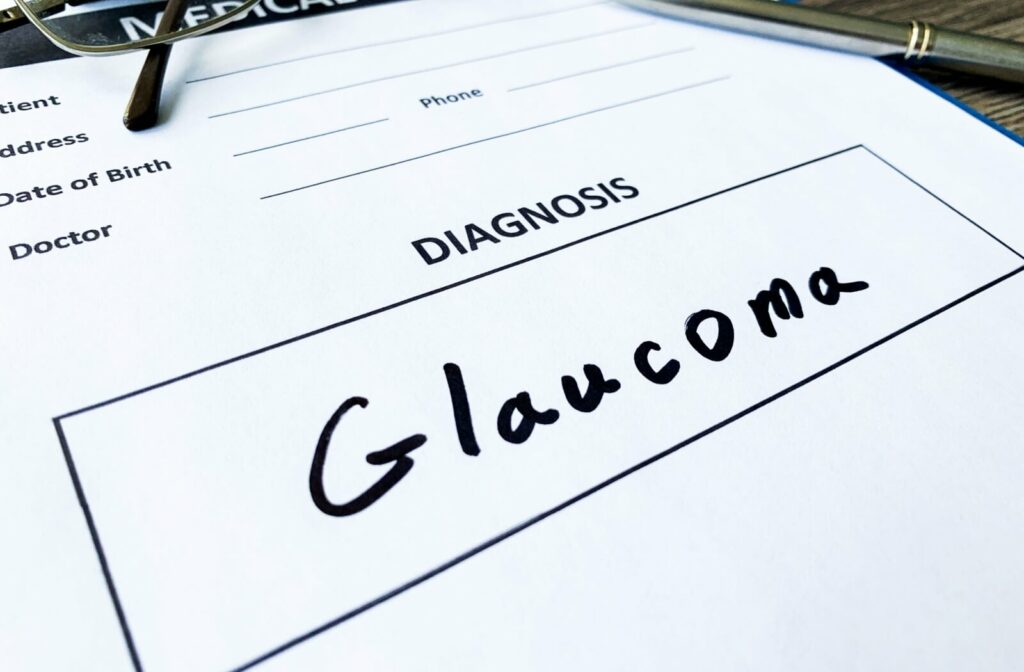
A family history of glaucoma does increase your chances of developing the condition.
At Milton Vision & Sports Vision Training Centre, our team can help you navigate any question that you may have about glaucoma or other vision concerns. You’re more than welcome to stop by for a comprehensive eye exam.
The Link Between Your Family History & Glaucoma
How Glaucoma Can Pass Through Families
A family link to glaucoma is a significant risk factor, but it isn’t a guarantee that you’ll develop it yourself. The condition can be inherited from either of your parents, though sometimes it can skip a generation. This is why sharing your family’s health background with your eye doctor is so important. Be sure to mention if a parent, sibling, or grandparent has had glaucoma, as this gives your care team a clearer picture of your eye health.
What Is the Main Cause of Glaucoma?
Glaucoma is a type of damage to the optic nerve, which sends signals from your eye to your brain. This damage is often connected to high pressure inside your eye, making early eye disease diagnosis and management important. Think of it like a sink that isn’t draining properly—when the fluid in your eye builds up instead of flowing out, the pressure increases. Because this process is often slow and painless, you may not notice anything is wrong until the optic nerve is already affected.
Other Common Risk Factors
Besides your family history, other factors can contribute to your risk. It’s helpful to be aware of them so you can have an informed conversation about your eye health. These factors include:
- Age—your risk increases after you turn 40
- Ethnicity
- Certain health conditions, such as diabetes, which require regular diabetic eye exams
Early Signs & Symptoms to Notice
One of the challenges with glaucoma is that, in its early stages, it often has no noticeable symptoms. When symptoms do appear, they can be subtle, such as:
- A gradual loss of your side (peripheral) vision
- Developing patchy blind spots in your field of vision
Symptoms That Need Quick Attention
Some rarer forms of glaucoma can cause symptoms to appear suddenly. If you experience any of the following, seek attention from an eye care professional right away:
- Sudden, severe eye pain or a feeling of pressure
- Headaches that are accompanied by nausea
- Seeing rainbow-coloured circles or halos around lights
Common Types of Hereditary Glaucoma
Primary Open-Angle Glaucoma
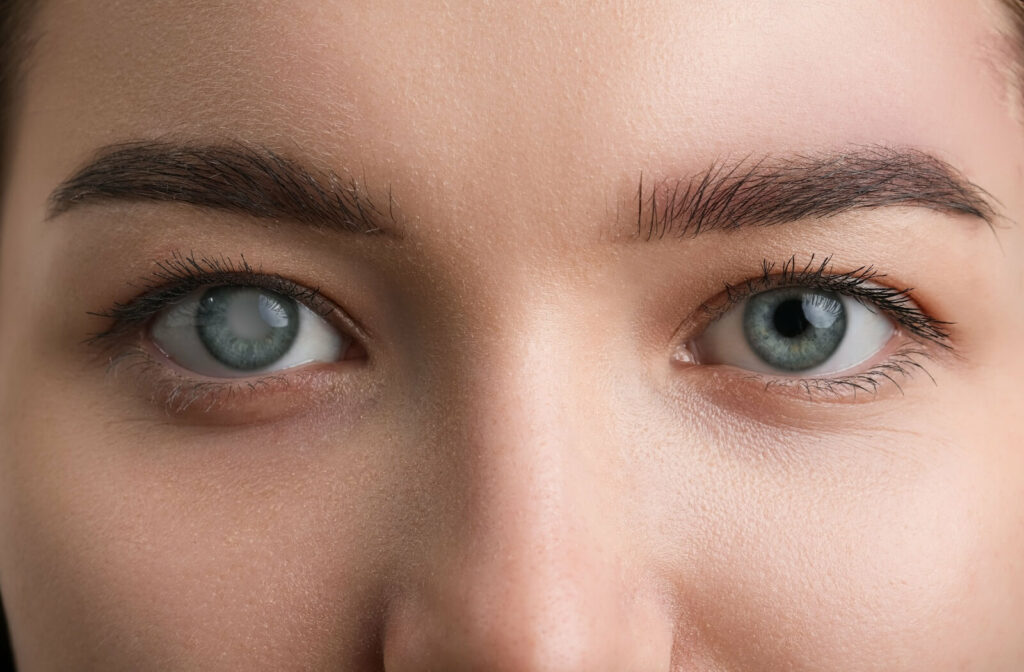
This is the most common form of glaucoma and the one most often linked to family history. It develops slowly over a long period, which is why you may not notice any changes at first. Regular testing for glaucoma is important for early detection of this condition.
Angle-Closure Glaucoma
Angle-closure glaucoma happens when the eye’s drainage system becomes blocked, causing a rapid increase in eye pressure. Unlike open-angle glaucoma, the symptoms for this form of the disease can appear quite suddenly. Angle-closure glaucoma requires prompt medical attention.
How You Can Protect Your Vision
Work with Your Eye Doctor at Milton Vision
Regular eye exams are an important part of monitoring your vision and overall eye health. When you visit your eye doctor in Milton, we can discuss your personal and family health history. This allows us to perform tests, check the pressure inside your eyes, and examine your optic nerve. Based on this information, we can recommend a proactive approach to your eye care.
Healthy Habits for Your Eyes
You can also support your eye health with simple daily habits. This includes protecting your eyes from injury during sports or other physical activities, as well as eating a balanced diet rich in leafy greens and colourful fruits.
Protect Your Vision
Understanding your family’s eye health history can help you take control of your own. Our team at Milton Vision & Sports Vision Training Centre is here to provide personalized attention and answer your questions. Schedule a comprehensive eye exam today to learn more about protecting your sight.