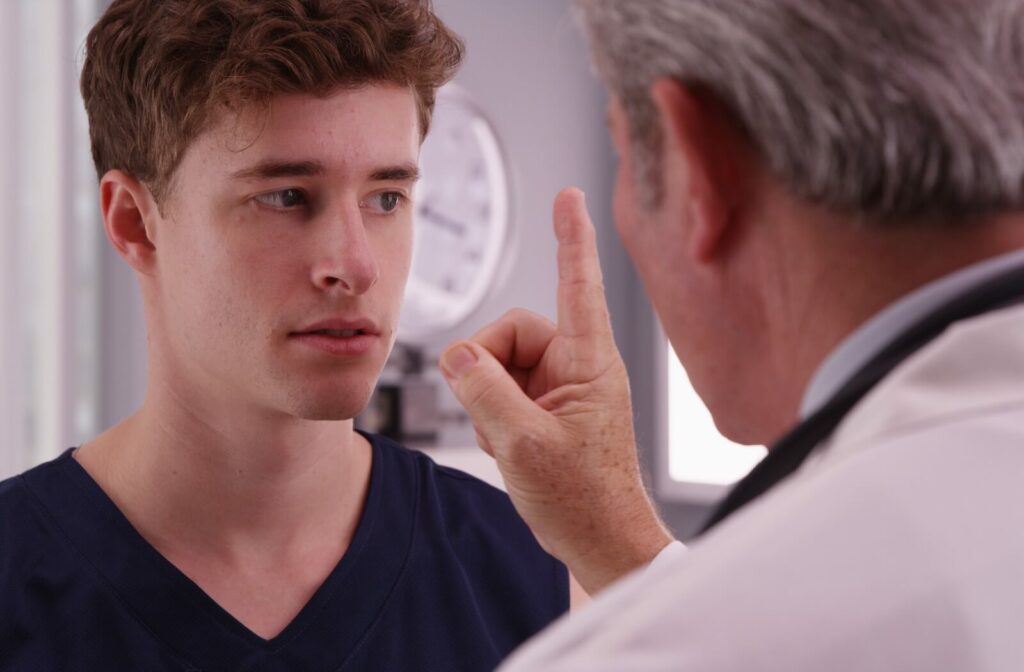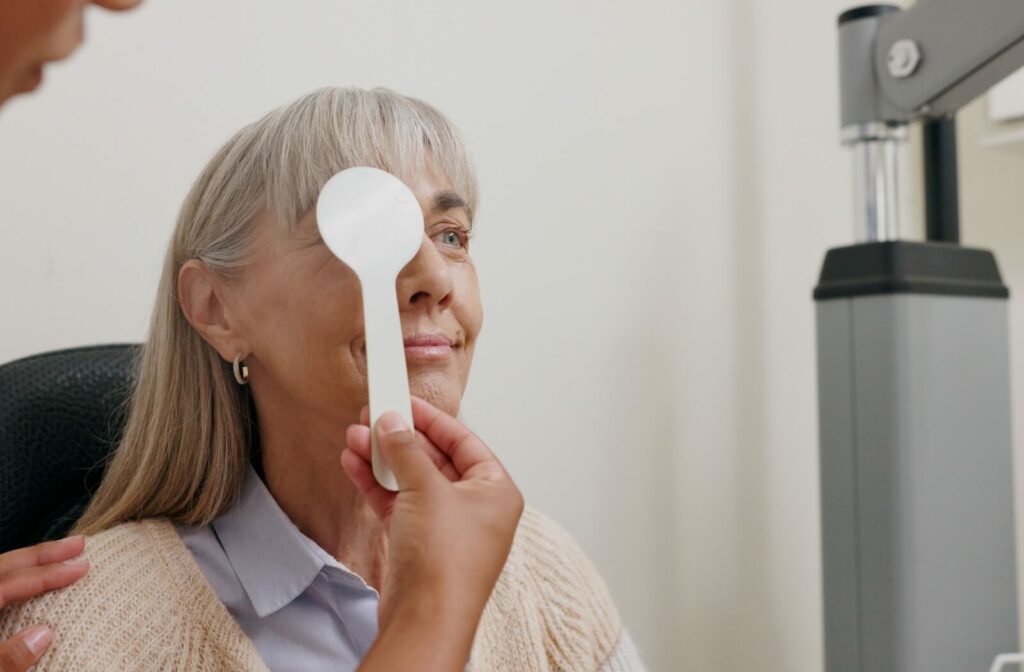
For seniors 65 and over, OHIP does cover a comprehensive senior eye exam, but the frequency and follow-up rules have been updated. […]
Are Eye Exams Free for Seniors in Ontario?
For seniors 65 and over, OHIP does cover a comprehensive senior eye exam, but the frequency and follow-up rules have been updated. […]
Age-related macular degeneration (AMD) is one of the leading causes of vision loss in Canada, particularly among adults over 55. In fact, nearly 2.5 million Canadians are currently living with some form of AMD, making it a significant public health concern. […]
Ortho-k lenses are specialty contact lenses worn overnight that gently reshape your cornea, so that you can wake up and experience clear vision during the day, offering you freedom from glasses or contact lenses. […]
That’s where Syntonic phototherapy comes in—a time-tested, noninvasive therapy that uses the power of light to help restore balance to the visual system and the brain.
[…]
The first and most common sign of cataracts is blurry or cloudy vision. However, cataracts also cause sensitivity to light and glare, difficulty seeing at night, a reduction in colour vibrance, and, in some cases, double vision in one eye. […]
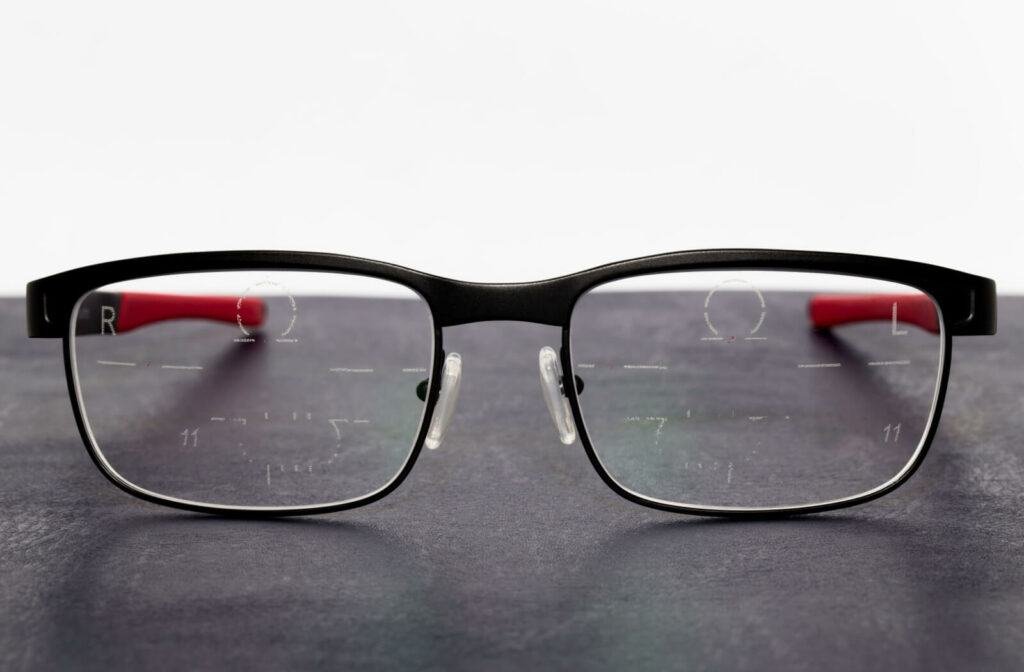
Progressive glasses use lenses that merge multiple optical strengths in one seamless design, granting clear vision at all distances without conspicuous lines.
[…]
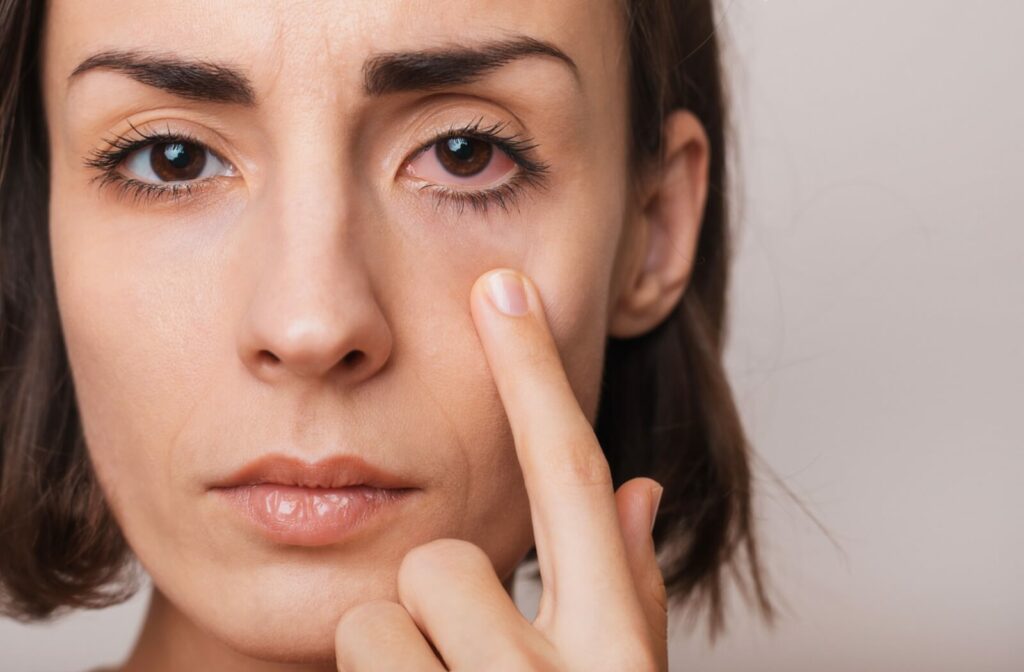
To the untrained eye, certain conditions share overlapping symptoms with pink eye, including:
Blepharitis
Dry eyes
Keratitis
Styes
[…]
Dry eyes are more than just a mild inconvenience—they can significantly impact your daily life, often in ways you might not immediately attribute to the condition. For example, dry eyes can cause blurriness, a surprising yet common symptom. Dry eye syndrome can cause several uncomfortable symptoms and potentially lead to complications if left untreated. So, […]
There isn’t a one-size-fits-all for how long vision therapy takes because each therapy program is tailored to each person’s needs. So, vision therapy may run anywhere from several weeks to 6 months or more. […]
The main difference is that astigmatism causes blurry vision at all distances, whereas myopia (nearsightedness) makes objects in the distance appear blurry while close-up objects remain clear. […]